Thinking whimsically makes serious science accessible. That’s a message that should be taken to heart by all who want to learn science. do elephants have knees? invites readers into serious appreciation of Darwinian ideas by framing them with the imagery of children’s stories.
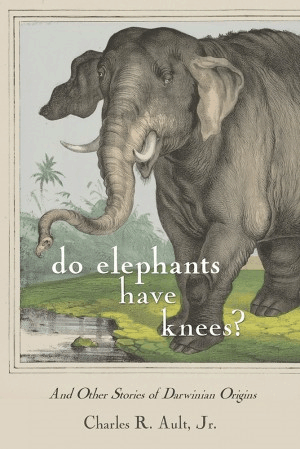

Incipient notions of natural selection lurk in the lives of Rudyard Kipling’s Elephant Child, Leo Lionni’s Minnow, and Bill Peet’s Chester the Pig. Paying close attention to limbs and toes offers clues that connect living creatures to their common ancestors and at the same time portrays the originator of scientific stories of origins, Charles Darwin, not as a dyspeptic Victorian sage but rather as a swashbuckling worm scientist.
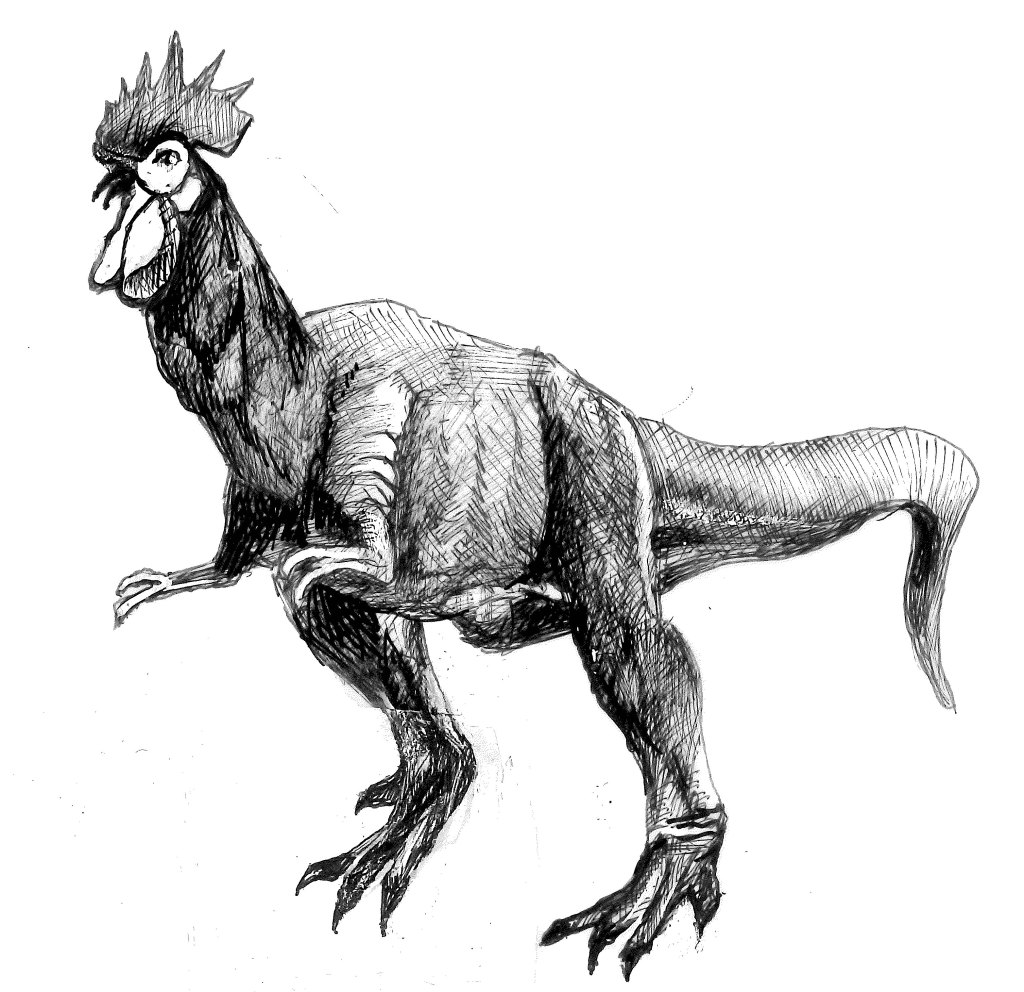
“The relationship, though distant, between the Macrauchenia and the Guanaco, between the Toxodon and the Capybara,—the closer relationship between the many extinct Edentata and the living sloths, ant-eaters, and armadillos, now so eminently characteristic of South American zoology . . . are most interesting facts. This wonderful relationship in the same continent between the dead and the living, will, I do not doubt, hereafter throw more light on the appearance of organic beings on our earth, and their disappearance from it, than any other class of facts.”
— Charles Darwin, Voyage of the Beagle
Review of
do elephants have knees?
In Do Elephants Have Knees?, Charles R. Ault Jr. takes a unique approach, bringing together juvenile literature with a wide range of literature from science, history, education, and psychology. This is an important work for science education because the author weaves together scientific knowledge with the appropriate historical context. This book will find an audience not only among science educators but also among well-educated and curiosity-driven general readers who thrive on connections among disciplines.”
— Roberta Johnson, Executive Director, National Earth Science Teachers Association
 Kip Ault's Homepage