
My Books about Teaching Science
Do Elephants Have Knees?
and other Stories about Darwinian Origins
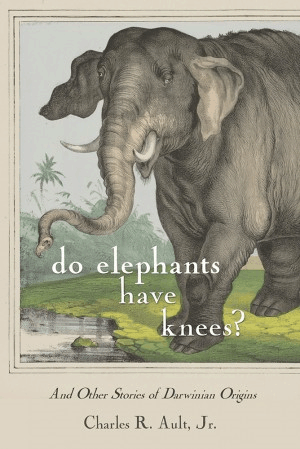
Whimsical stories for children abound in imagery that may introduce serious Darwinian thinking, the science that answers questions of origins. Incipient notions of natural selection lurk in the lives of Rudyard Kipling’s Elephant Child, Leo Lionni’s Minnow, and Bill Peet’s Chester the Pig. Paying close attention to limbs and toes offers clues that connect living creatures to their common ancestors. Do Elephants Have Knees? illustrates these themes and at the same time portrays the originator of scientific stories of origins, Charles Darwin, not as a dyspeptic Victorian sage but more as a swashbuckling worm scientist.
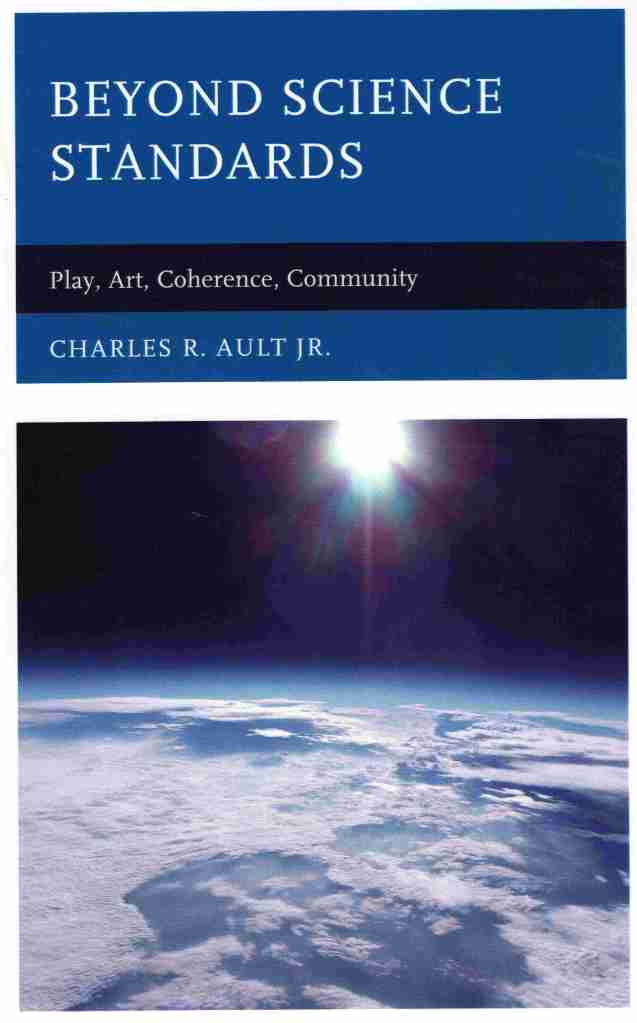
Beyond Science Standards:
Play, Art, Coherence, Community
Ranging across examples from elementary to university level classrooms and grounded in philosophy and history, the stories address dimensions beyond the realm of bureaucratic standards. Students, the same as scientists, profit from playful exploration—of musical instruments in fourth grade physical science, for example, and hotel lobby decorative rock in a college geology course. Participating in collecting local, high altitude weather data enhances trust in climate science, especially when the observations benefit the local farming community. Beyond Science Standards offers the reader inspiring stories of science teaching, varying from place to place, time to time, discipline to discipline, and purpose to purpose.
Challenging Science Standards:
A Skeptical Critique of the Quest for Unity
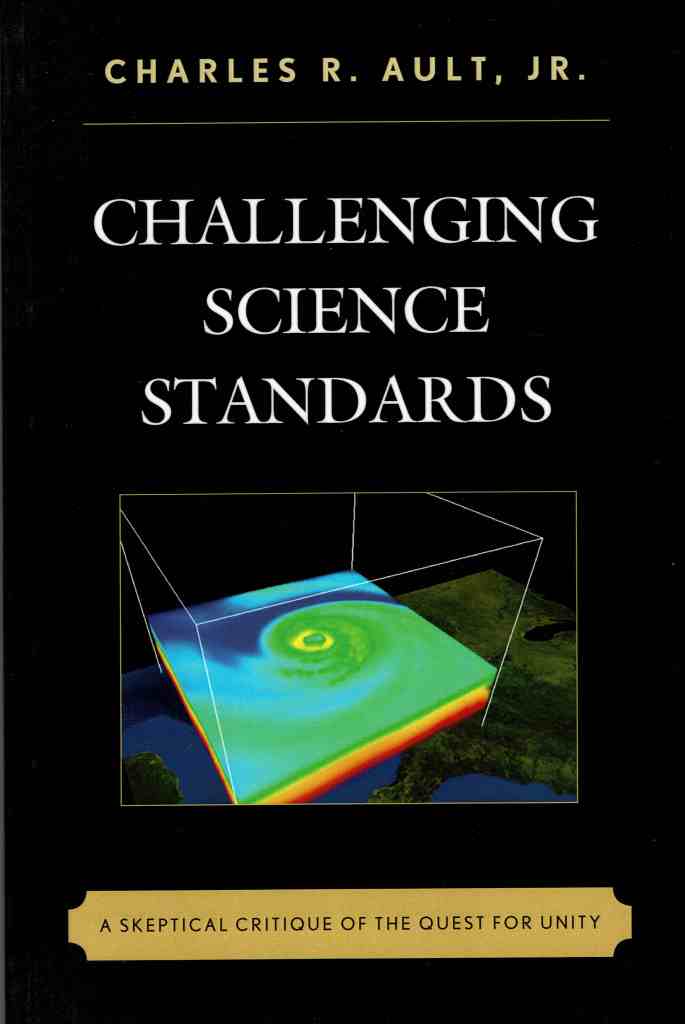
Challenging Science Standards examines the limitations unifying science teaching under a banner of scientific method, inquiry processes or habits of mind. A curriculum that prioritizes what all sciences have in common obscures their vital differences. Studying landslides is very different from doing x-ray diffraction; climate science is unlike medical research. Naïve ideas about scientific unity impoverish imagination and inhibit insight. Illuminated with vignettes of children and adolescents studying topics ranging from snail populations to horse fossils, Challenging Science Standards proposes respect for disciplinary diversity and attention to questions of value in choosing what science to teach.
Science Standards Flotsom and Jetsom Blog
Ends Not Means: The Value of Place-based Education
“Ends Not Means,” is my presentation at the 2021 Geological Society of America session on “Best Practices in Place-Based Education” I describe how Oregon students combined art, science, and community engagement in their study of Oregon’s geologic past. Click on the shovel-tusked pachyderm to access the presentation. The image is from the film, The John…
Deep Respect for the Present Moment
The past is never dead. It’s not even past.– William Falkner Requiem for a Nun “Fathoming deep time is arguably geology’s single greatest contribution to humanity,” claimed geologist Marcia Bjornerud in her book, Timefulness: How Thinking Like a Geologist Can Help Save World (Princeton University Press, 2018). Whether on a trail along the rim of…
Neither Eeyore nor Pollyanna Be
All too often in dinner conversation, book group discussions, or even my church men’s group meetings, people freely (and sadly) share dire (and confident) thoughts about the future. Humanity, it seems, has doomed life on earth. The promise of America was a charade. How lucky, my age-cohort friends say, were we to live in such…
 Kip Ault's Homepage